Grete Jalk

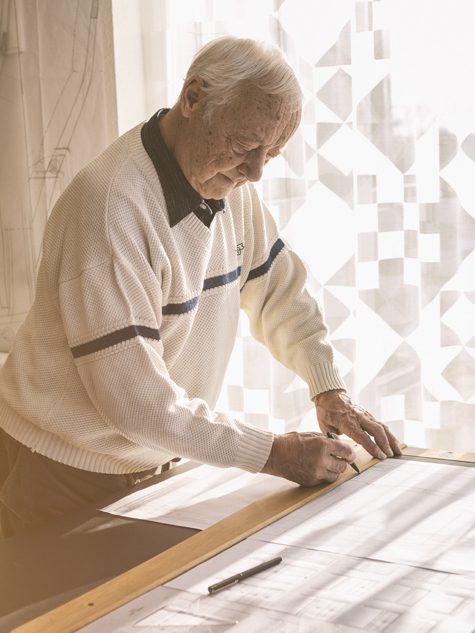
Furniture designer and architect Grete Jalk (1920-) was referred to by a critic at the Copenhagen Cabinetmakers' Exhibition in the 1960's as a fine example of "the strong weaker sex." Prolific and versatile, she is known both for herindividual pieces and for her ability to create entire environments finely tuned to their inhabitant's needs. Jalk also maintained thecommitment of many of her contemporaries to experiment with newmaterials and production processes.

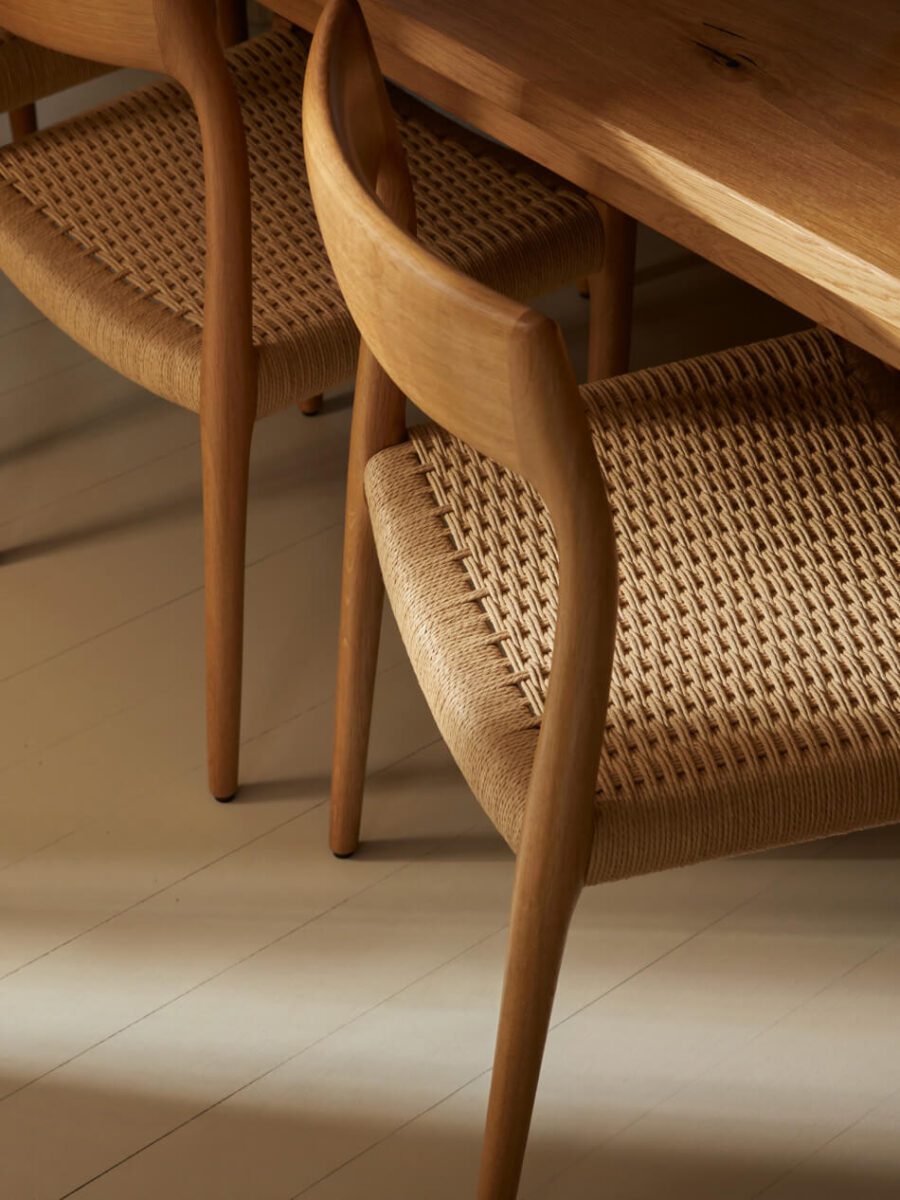
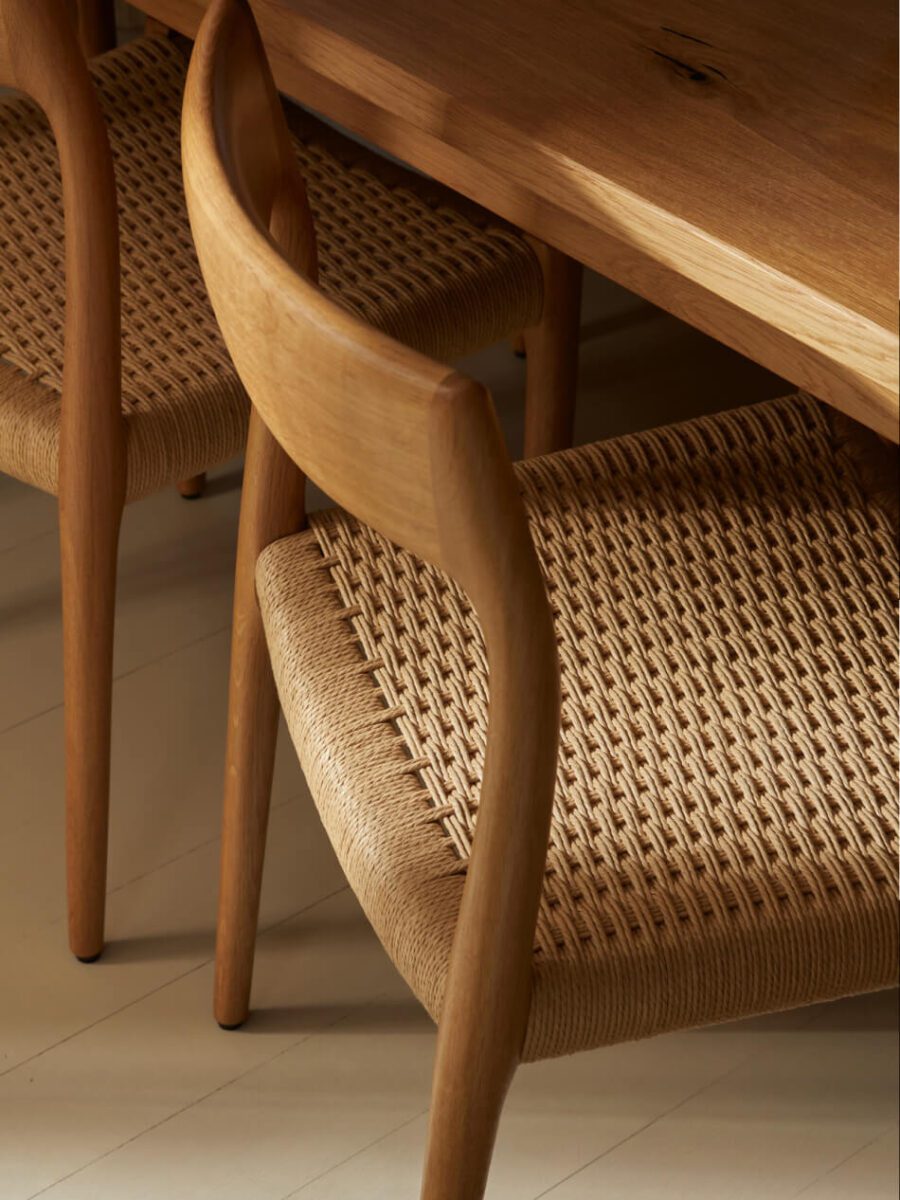
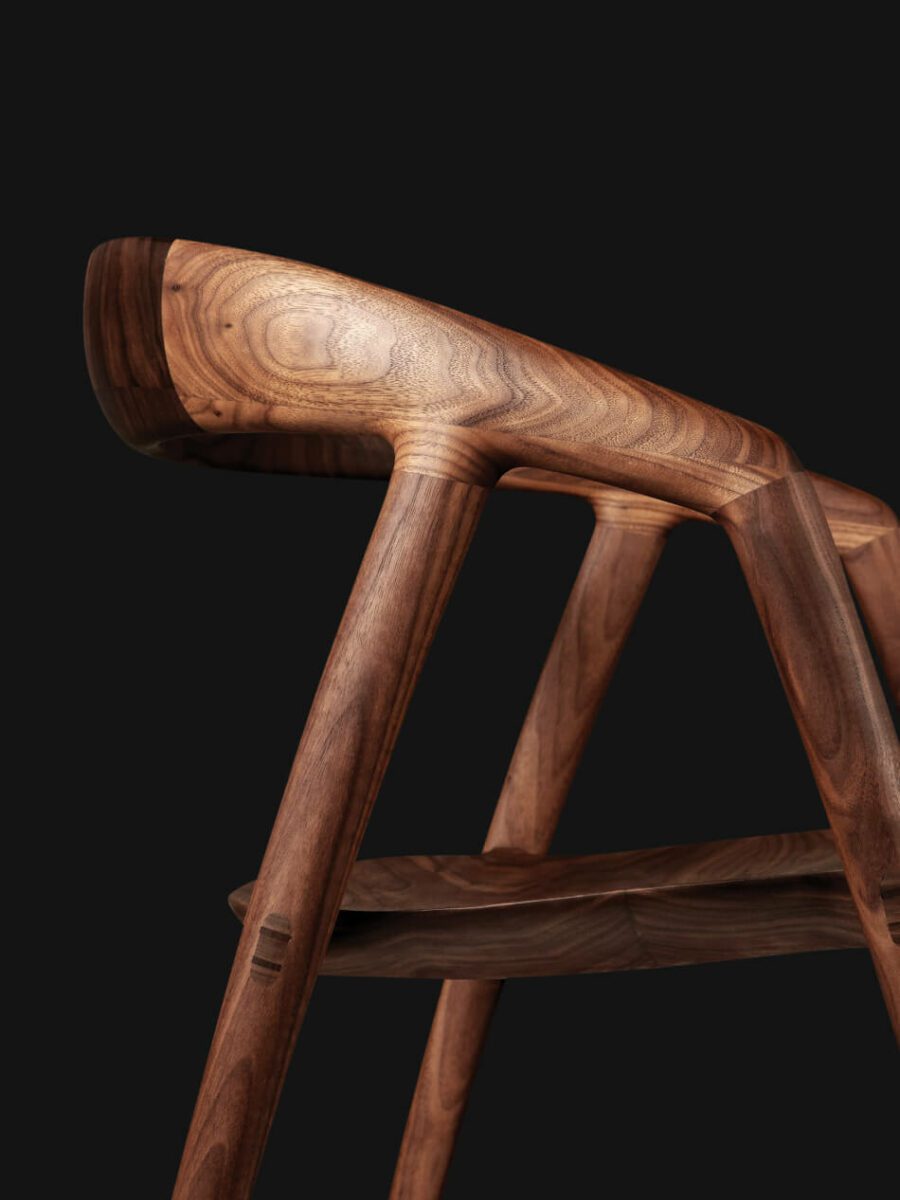
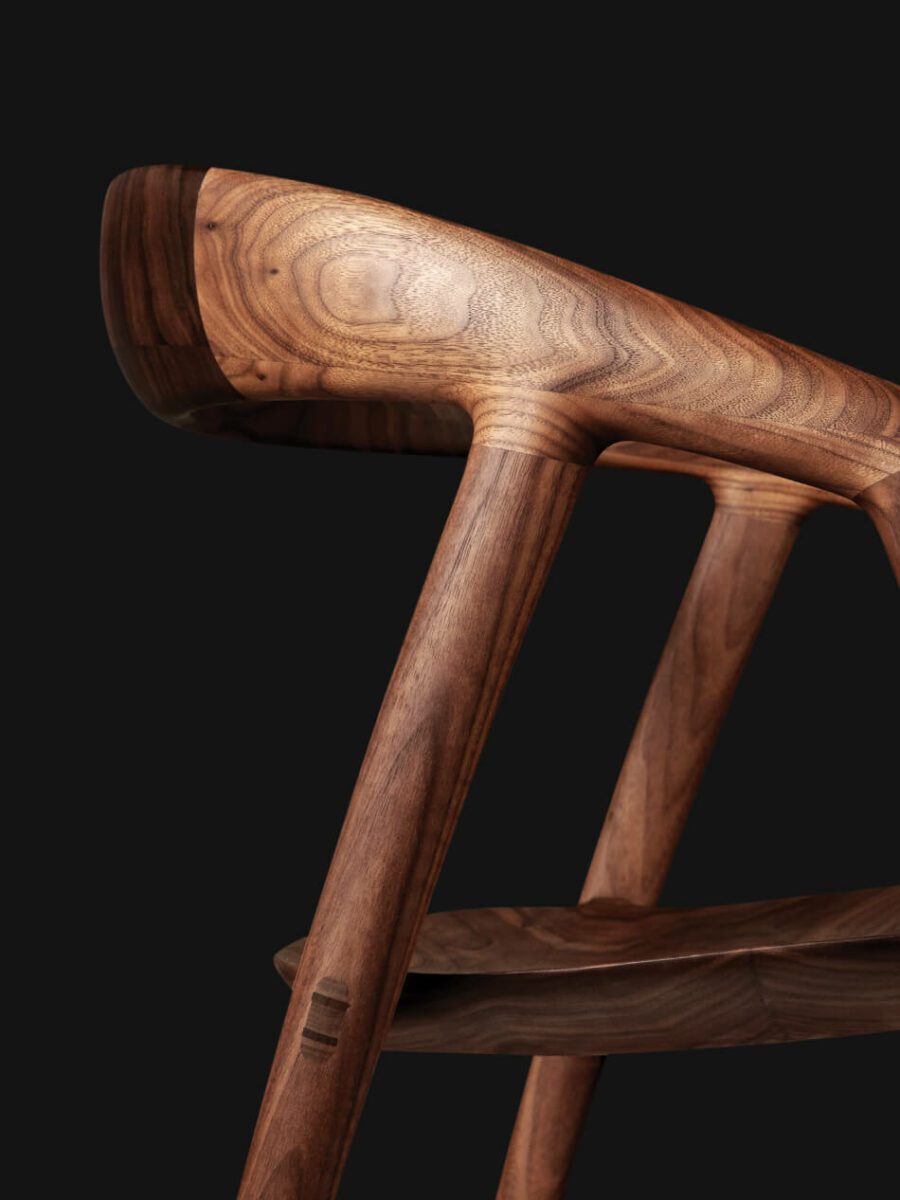
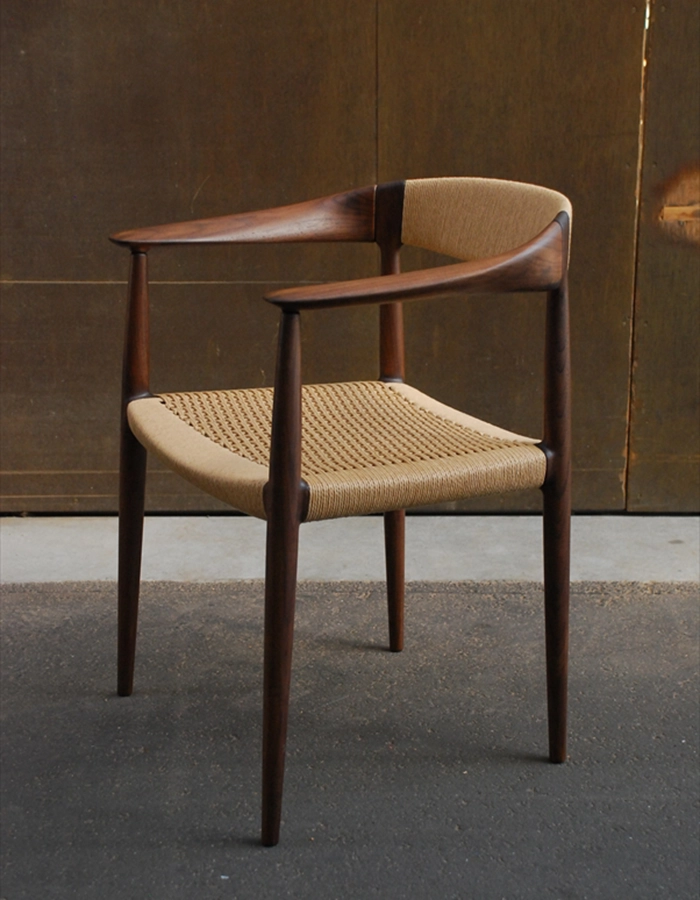
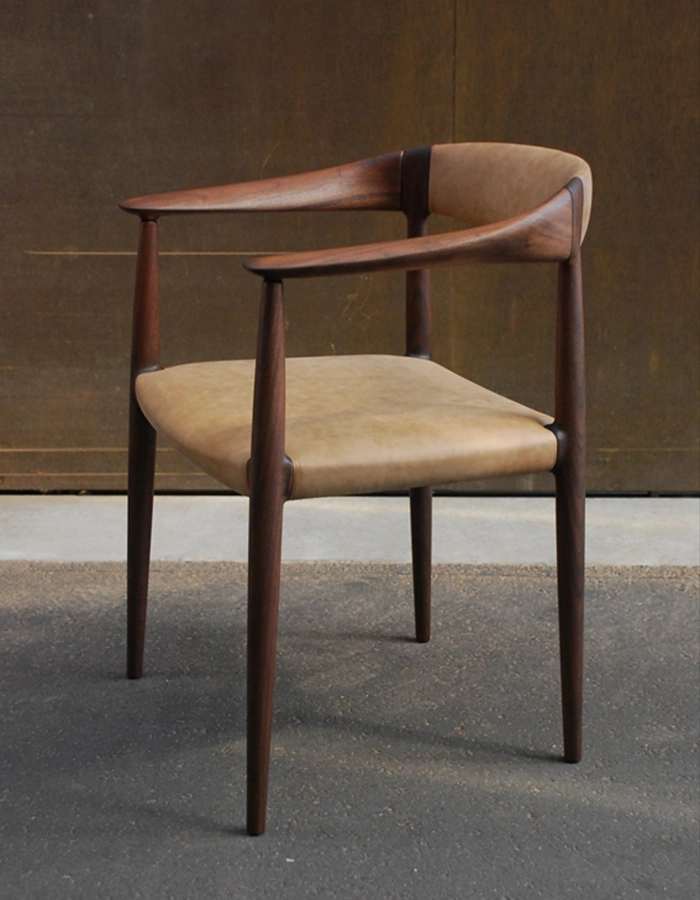
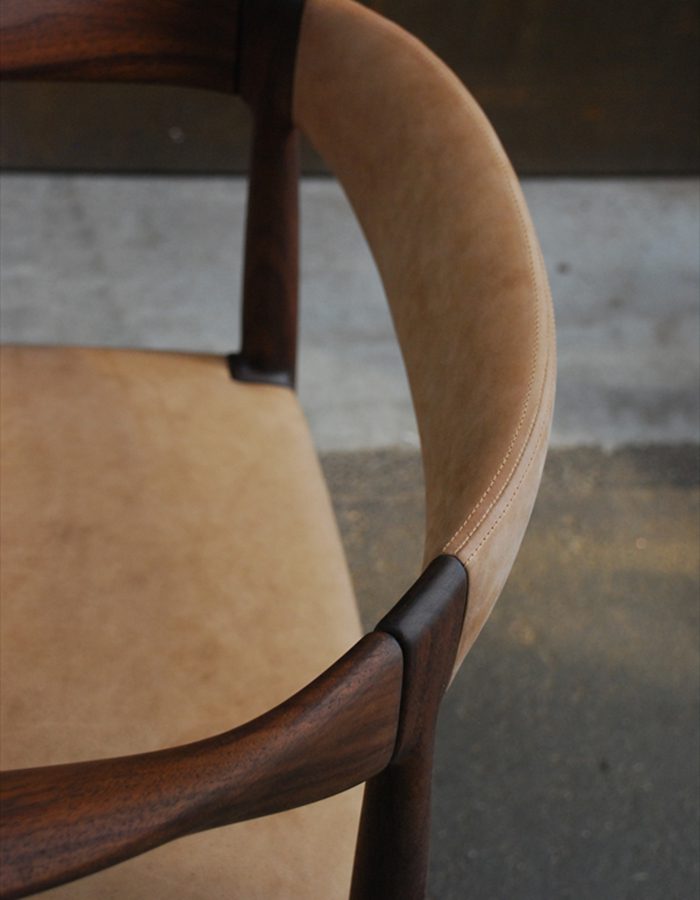
Jalk was formally trained at the School of Arts and Crafts, goingon to study with Danish master Kaare Klint at the Royal Academy of Artsin Copenhagen. Though she took part in exhibitions such as the MilanTriennial outside of Denmark, she made a name for herself with the work she did from her own design office for Fritz Hansen and Poul Jeppesen,and for her annual appearance at the Cabinetmakers' shows. One of her earliest such projects was a 1947 furniture set for a "self supporting woman's den." She created a sofa bed, wall mounted storage system anddesk to establish a living space that was both bedroom and study for a professional woman. In 1952 she exhibited her award winning easy chair upholstered in ox hide and her demure dining room chairs upholstered ina wool fabric. The "Chairs for Him and Her" set that she designed for the 1963 show also won first prize at a furniture competition in England. She also came out with molded plywood chair in 1963 for PoulJeppesen that was innovative for the dramatic degree to which both the seat and back were bent.

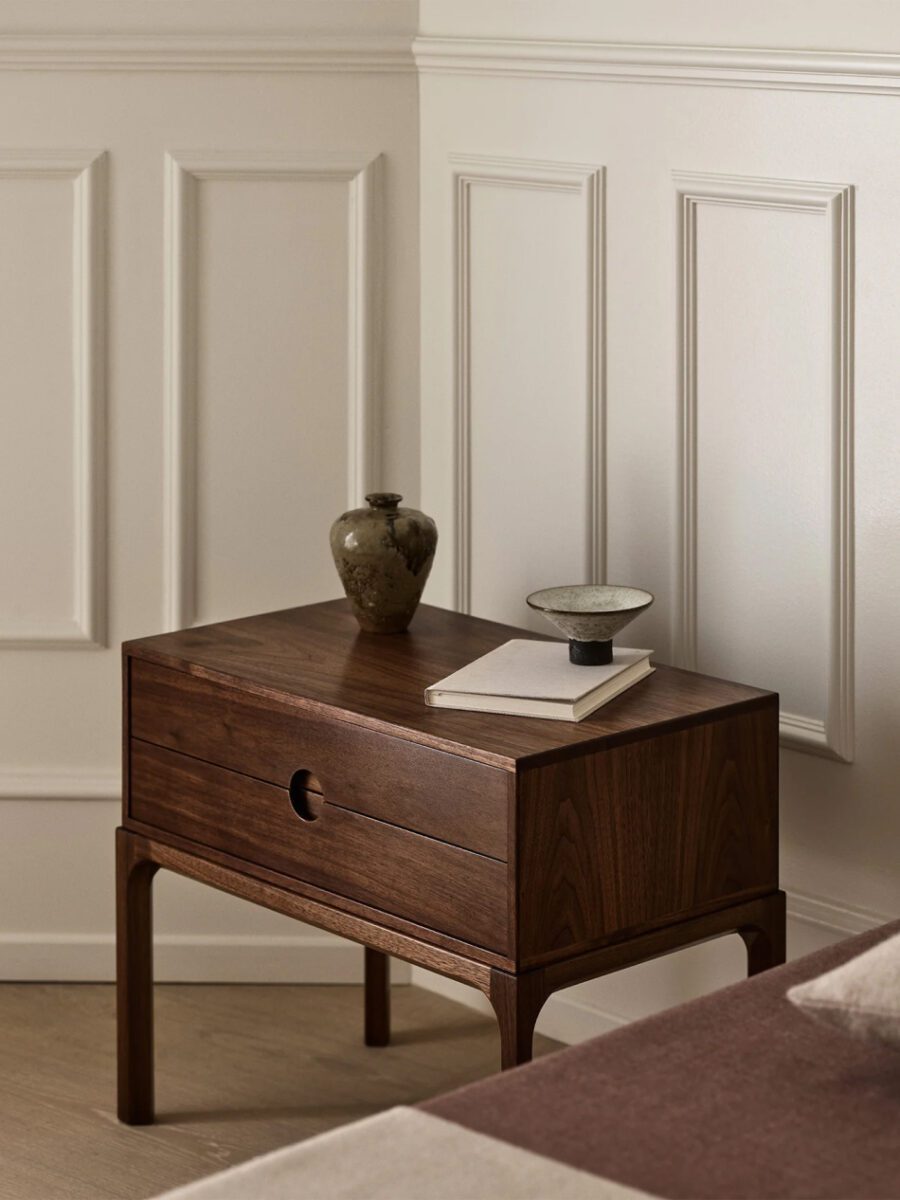
During the sixties she created several room sets for the newphilosophies and equipment of the modern home. In 1961 she created awall mounted storage system that took into account the difficulty ofcleaning items stored on the bottom shelves. Her innovative strategywas to leave the last shelf out to be used as a space to store extrastools. A 1962 living room set in walnut or beech had a coffee tablethat doubled as a worktable to accommodate the evolving personality ofthe living room, which was being used more for living and less simplyfor entertaining. Her 1963 "Watch and Listen" living room unit producedin pine had compartments built in for an extensive home entertainmentsystem. With the television as the centerpiece, she designed shelvingfor storing and accessing a stereo system, tapes, records and even a small film projector. The unit was bookended by openly displayedspeakers. Leaving the speakers open rather than covering them with thetraditional lattice work was representative of one of the ways in whichindustrial design was becoming considered more seriously as part of thehome landscape. Jalk designed pieces for almost every Cabinetmaker'sexhibit throughout the fifties and sixties, each time responding to andworking with the advancements in design.